
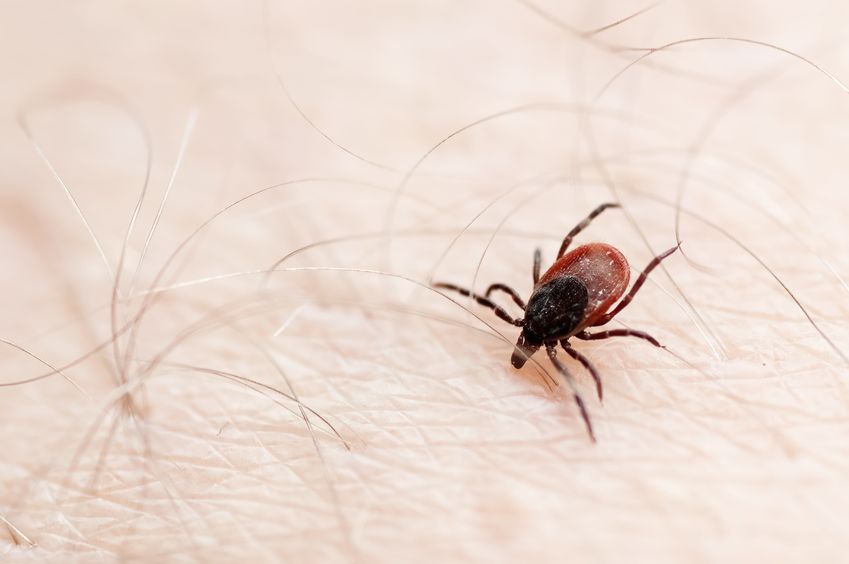
Finding a tick attached to you can be unsettling, and it is easy to assume that every tick bite carries the same level of risk. The reality is more complicated. Not every tick carries disease, different tick species transmit different pathogens, and factors such as where you encountered the tick and how long the tick was attached can all affect your potential risk.
Understanding those differences can help you respond appropriately without assuming the worst.
The Type of Tick Matters
There are many species of ticks in the United States, but only certain species are known to transmit particular diseases to humans. According to the CDC, only a select number of tick species bite people and transmit disease-causing pathogens.
For example, blacklegged ticks can transmit Lyme disease, while other species may be associated with ehrlichiosis, Rocky Mountain spotted fever, tularemia, or other illnesses.
That is also why it is important to think beyond Lyme disease. Our guide to tick-borne illnesses beyond Lyme disease covers several other conditions worth knowing about.
Where the Bite Happened Can Affect Risk
Geography also plays a role. Tick species and tick-borne diseases are not evenly distributed across the country. The CDC’s tick distribution information shows that different species are concentrated in different regions, and simply finding a particular tick species in an area does not automatically mean it is carrying a disease.
Your local health department can be a helpful resource for understanding which ticks and tick-borne illnesses are most common where you live or travel.
Attachment Time Can Make a Difference
Another important factor is how long the tick has been feeding. A tick that is simply crawling on your clothing is different from one that has already attached, which we explain further in our blog about attached ticks and crawling ticks.
For Lyme disease specifically, the CDC says an infected blacklegged tick generally needs to be attached for more than 24 hours before transmission occurs. However, not every tick-borne pathogen follows the same timeline, which is why prompt removal is always important.
What Should You Do After a Tick Bite?
Regardless of the perceived risk, remove an attached tick as soon as you find it. After removal, clean the area and pay attention to how you feel over the following days and weeks. Our guide on what to do after removing a tick provides additional aftercare tips.
If you develop a rash, fever, unusual fatigue, aches, or other concerning symptoms, contact a healthcare professional and mention the tick bite.
Be Prepared for Every Tick Encounter
No two tick bites are exactly alike, but quick identification and proper removal are important no matter where or how the bite happens. The Original Tick Key™ is designed to remove attached ticks from both people and pets quickly and without squeezing the tick. TickKey International, Inc. also offers prevention and testing solutions to help you build a more complete tick safety routine. Browse our tick prevention, removal, and testing products online and find a retailer near you today.
Recent Comments