
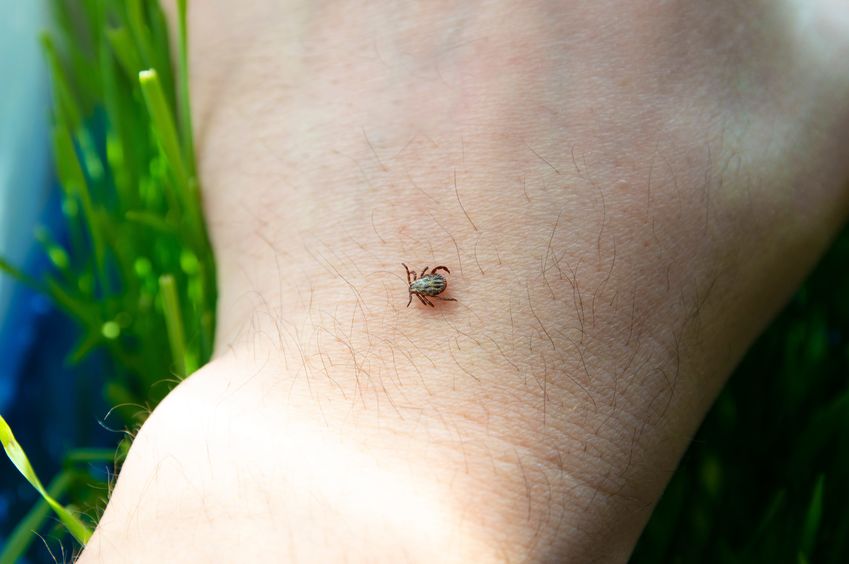
Not every tick you spot is attached yet, and that distinction matters more than many people realize. Some ticks are still crawling and looking for a place to latch on, while others have already attached and started feeding. Knowing the difference can help you respond quickly and choose the right next step for yourself, your family, or your pets.
What Is a Crawling Tick?
A crawling tick is one that has not attached yet. It may be moving across clothing, skin, pet fur, gear, or furniture while searching for a good place to settle in. Ticks tend to look for warm, hidden areas like waistbands, behind the knees, under arms, around the ears, or in the hairline.
Crawling ticks are obviously something you want to remove right away, but the good news is they have not started feeding yet. That means you may be able to get rid of them before they bite at all. This is one reason it is so important to check clothes, pets, and gear after spending time outdoors.
What Is an Attached Tick?
An attached tick has already embedded its mouthparts into the skin and started feeding. Once attached, it may stay in place for hours or even days if it is not found and removed. Attached ticks are often harder to spot because they may be tucked into hidden areas and can be very small, especially in the nymph stage.
This is when proper removal becomes especially important. Pulling incorrectly, squeezing the body, or leaving parts behind can make the situation more stressful and more complicated. The sooner an attached tick is found and removed correctly, the better.
Why the Difference Matters
The biggest difference between crawling ticks and attached ticks is timing. A crawling tick gives you the chance to stop the problem before it starts. An attached tick means action needs to happen right away.
That is why a good tick safety routine should include both prevention and removal. Check yourself after walks, yard work, hikes, hunting trips, gardening, or time at the park. Look over kids, pets, shoes, backpacks, blankets, and car seats, too. A tick does not have to be attached to still be a concern.
Be Ready for Both
Crawling ticks can often be picked up before they attach, especially if you check yourself after outdoor activities. Some people also like to use products designed to roll over clothing or pet fur to catch crawling ticks before they latch on. But if you do find one already attached, you need a removal tool you can trust.
The Original Tick Key™ is designed to safely remove attached ticks from people and pets, making it an important part of any tick safety kit. For even better protection, pairing it with products like Home First Naturals Insect & Tick Repellent can help you take a more complete approach by working to keep ticks off in the first place. TickKey International, Inc. offers these solutions for prevention, protection, and removal, so you can feel more prepared wherever your day takes you!
To learn more or find a retailer near you, visit us online or call us at (203)300-5078 today.
Recent Comments