
Not all ticks look alike. Different tick species have distinct body markings, geographic ranges, preferred hosts, and potential health risks. Learning how to recognize common types of ticks can help you make informed decisions when you find one on yourself, a family member, or a pet.
Whether you enjoy hiking, camping, gardening, hunting, or spending time outdoors with your dog, understanding tick identification is an important part of tick awareness. This guide from TickKey introduces seven tick species found in the United States, including their identifying characteristics, typical habitats, and associated health concerns.
7 Common Types of Ticks in the United States
Explore the species below to learn what they look like, where they are commonly found, and which health concerns may be associated with their bites.
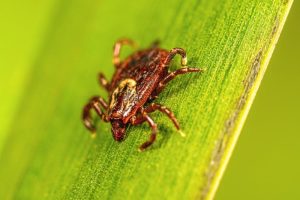
American Dog Tick
Dermacentor variabilis
A reddish-brown tick with pale markings on its back. Common in grassy areas and along trails.
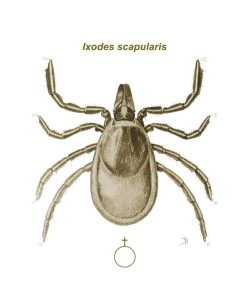
Blacklegged (Deer) Tick
Ixodes scapularis
A small tick with dark legs, commonly associated with Lyme disease in the eastern United States.
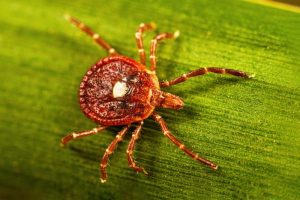
Lone Star Tick
Amblyomma americanum
Adult females have a recognizable white spot on their backs. This species readily bites humans.
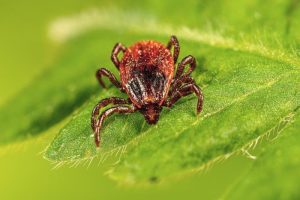
Brown Dog Tick
Rhipicephalus sanguineus
A generally brown tick strongly associated with dogs and capable of establishing indoor infestations.

Gulf Coast Tick
Amblyomma maculatum
A tick with distinctive pale markings, found primarily in the southeastern United States.
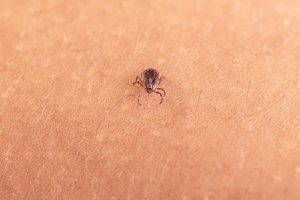
Asian Longhorned Tick
Haemaphysalis longicornis
An invasive tick species that can affect livestock, pets, wildlife, and occasionally people.
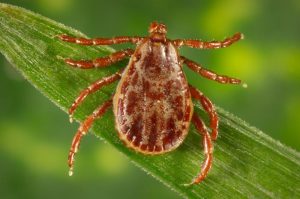
Rocky Mountain Wood Tick
Dermacentor andersoni
A western tick species with patterned markings, found in mountainous and open grassy habitats.
How to Identify Different Tick Species
Several characteristics can help distinguish one tick species from another. However, identification can be challenging, especially when examining immature or engorged ticks.
Body color and markings: Some species have recognizable patterns. Adult female lone star ticks have a single pale spot, while American dog ticks and Rocky Mountain wood ticks often display lighter markings on their backs.
Size and life stage: Ticks develop through larval, nymph, and adult stages. Immature ticks can be extremely small, making them difficult to notice and identify without magnification.
Geographic location: Different species have different distribution patterns. Knowing where you encountered a tick can help narrow the possibilities, although species ranges may overlap.
Host and habitat: Some ticks are frequently encountered on dogs, while others are common in wooded areas, grasslands, or places where wildlife travels.
Feeding status: A tick that has recently taken a blood meal may appear swollen and significantly different from an unfed tick.
For additional scientific identification resources, visit the CDC’s guide to where ticks live.
Tick Species Identification: Detailed Guide
American Dog Tick
Dermacentor variabilis
The American dog tick is a commonly encountered tick in many parts of the United States. Adult females have reddish-brown bodies with pale, decorative markings near the front of their backs. Adults are often found in grassy habitats, along trails, and in areas frequented by animals.
- Identification: Brown body with pale or silvery markings on the shield.
- Where found: Widely distributed east of the Rocky Mountains, with limited populations farther west.
- Common hosts: Dogs, humans, and other mammals.
- Associated diseases: Rocky Mountain spotted fever and tularemia.
American dog tick activity is especially important to watch for during spring and summer. A closely related species, Dermacentor similis, occurs west of the Rocky Mountains and can be difficult to distinguish visually.
Blacklegged Tick (Deer Tick)
Ixodes scapularis
The blacklegged tick, frequently called the deer tick, is one of the most medically significant tick species in the eastern United States. Adult females typically have dark legs, a dark shield near the head, and a reddish-orange body when unfed. Nymphs are much smaller and can be difficult to spot.
- Identification: Dark legs and, in adult females, a contrasting reddish-orange body.
- Where found: Widely distributed throughout the eastern United States.
- Common hosts: Deer, small mammals, birds, and humans.
- Associated diseases: Lyme disease, anaplasmosis, babesiosis, and Powassan virus disease, among others.
Blacklegged ticks can be active during multiple seasons. Adult ticks may also be active on winter days when temperatures rise above freezing.
Lone Star Tick
Amblyomma americanum
The lone star tick is particularly recognizable in its adult female stage, when a single pale spot appears on its back. Males and immature ticks do not have the same distinctive single spot. This species actively seeks hosts and frequently bites humans.
- Identification: Adult females have a white or pale spot on their backs.
- Where found: Common in portions of the southern, northeastern, and midwestern United States.
- Common hosts: Deer, humans, dogs, and other mammals.
- Associated concerns: Ehrlichiosis, tularemia, Heartland virus disease, Bourbon virus disease, and possible development of alpha-gal syndrome following bites.
Some people develop a rash following a lone star tick bite. A rash does not by itself establish the cause, so concerning symptoms should be evaluated by a healthcare professional.
Brown Dog Tick
Rhipicephalus sanguineus
Brown dog ticks are closely associated with dogs and can be found in many parts of the world. Unlike many tick species, they can establish infestations inside buildings, particularly in kennels and homes where dogs live.
- Identification: Generally reddish-brown with a relatively uniform appearance.
- Where found: Worldwide, including throughout the United States.
- Common hosts: Primarily dogs, although humans can also be bitten.
- Associated diseases: Rocky Mountain spotted fever, particularly in the southwestern United States and near the U.S.-Mexico border.
Regular tick checks and veterinarian-recommended tick prevention are especially important for households with dogs. Suspected indoor infestations may require professional pest management.
Gulf Coast Tick
Amblyomma maculatum
The Gulf Coast tick is known for its decorative pale markings and association with certain spotted fever infections. Despite its name, this species is not restricted to the Gulf Coast and has been identified in other parts of the country.
- Identification: Brown body with ornate pale markings, especially noticeable on adult males.
- Where found: Primarily the southeastern United States, with localized populations elsewhere.
- Common hosts: Wildlife, livestock, and other mammals; adults can bite humans.
- Associated diseases: Rickettsia parkeri rickettsiosis, a type of spotted fever.
People spending time in grassy or brushy environments should check themselves and their animals for attached ticks after outdoor activities.
Asian Longhorned Tick
Haemaphysalis longicornis
The Asian longhorned tick is an invasive species first recognized in the United States in 2017. It has since been identified in multiple states, particularly in the eastern part of the country. This tick is a concern for livestock owners because large numbers can infest individual animals.
- Identification: Small, generally brown tick without the obvious ornate markings seen on some other species.
- Where found: Established or detected in multiple eastern and central U.S. states.
- Common hosts: Livestock, pets, wildlife, and occasionally humans.
- Associated concerns: Heavy infestations can harm livestock. Research continues into its potential role in transmitting pathogens to humans in the United States.
Some female Asian longhorned ticks can reproduce without mating, allowing populations to grow rapidly under suitable conditions. Suspected infestations on livestock should be discussed with a veterinarian or agricultural extension specialist.
Rocky Mountain Wood Tick
Dermacentor andersoni
The Rocky Mountain wood tick is found primarily in western mountainous regions. Adults have brown bodies with pale decorative markings, making them resemble certain other species in the Dermacentor genus.
- Identification: Brown body with light-colored patterned markings on the shield.
- Where found: Rocky Mountain states and parts of southwestern Canada, often at moderate to high elevations.
- Common hosts: Humans, livestock, wildlife, and other mammals.
- Associated diseases: Rocky Mountain spotted fever, Colorado tick fever, and tularemia.
Hikers, campers, hunters, and other outdoor enthusiasts visiting western mountain habitats should remain aware of tick exposure, especially during the warmer months.
What Should You Do If You Find an Attached Tick?
Finding a tick attached to your skin can be unsettling, but prompt removal is important. Do not wait to identify the tick before removing it.
- Remove the tick promptly. The CDC recommends using clean, fine-tipped tweezers to grasp the tick as close to the skin as possible.
- Use steady, even pressure. Pull the tick away from the skin without twisting, jerking, or squeezing its body.
- Clean the area. After removal, clean the bite site and your hands with rubbing alcohol or soap and water.
- Avoid home remedies. Do not apply heat, petroleum jelly, or nail polish in an attempt to make a tick detach.
- Watch for symptoms. If you develop a rash, fever, or other concerning symptoms in the days or weeks after a tick bite, contact a healthcare professional and mention the bite.
For detailed medical guidance, visit the CDC’s instructions for what to do after a tick bite. For ticks attached to pets, consult your veterinarian about appropriate removal and follow-up care.
Be Prepared When You Spend Time Outdoors
Tick encounters can happen while hiking, camping, gardening, hunting, walking your dog, or simply spending time in your backyard. Keeping a tick removal tool available can help you respond promptly when you discover an attached tick.
TickKey offers a compact tick removal tool designed for convenient use on people and pets. Learn more about TickKey products and find an option that fits your outdoor routine.
Frequently Asked Questions About Tick Identification
What are the most common types of ticks in the United States?
Commonly encountered tick species include blacklegged ticks, American dog ticks, lone star ticks, and brown dog ticks. Other species, including Gulf Coast ticks and Rocky Mountain wood ticks, are important in particular regions. The types of ticks you may encounter depend on your location, habitat, and outdoor activities.
What does a deer tick look like?
Adult female deer ticks, also called blacklegged ticks, typically have dark legs, a dark shield near the head, and a reddish-orange body when unfed. Nymphs are much smaller and can be difficult to see. Their appearance changes after feeding, so identification may require expert assistance.
Can you identify a tick by its color?
Color can provide useful clues, but it is not enough to identify every tick species reliably. Some ticks have distinctive markings, while others look similar. Sex, life stage, feeding status, and geographic location should also be considered.
Do all ticks carry Lyme disease?
No. Not all tick species transmit Lyme disease, and not every tick within a species capable of transmitting Lyme disease is infected. In the United States, Lyme disease is primarily transmitted by infected blacklegged ticks in the East and western blacklegged ticks along the Pacific Coast.
Are ticks dangerous to dogs and other pets?
Some tick species can transmit infections to dogs and other animals. Heavy tick infestations may also cause health problems. Check pets after outdoor activities and ask your veterinarian about effective tick prevention and appropriate removal methods.
Can ticks be active during winter?
Yes. Although many ticks are more active during warmer months, certain species, including adult blacklegged ticks, can be active during periods of mild winter weather. Tick awareness is important whenever outdoor conditions allow ticks to seek hosts.
How to Reduce Your Risk of Tick Bites
Learning to identify ticks is helpful, but preventing bites is just as important. Before spending time outdoors, consider using an EPA-registered insect repellent according to its label instructions. Wear protective clothing when practical and avoid brushing against tall grass and dense vegetation.
After outdoor activities, check your clothing, skin, and pets for ticks. Pay particular attention to areas such as behind the knees, around the waist, under the arms, and along the hairline. Follow veterinarian-recommended tick prevention practices for pets.
For additional prevention tips, see the CDC’s tick bite prevention recommendations.
Image Credits & Educational Sources
Tick identification images on this page are from the Centers for Disease Control and Prevention (CDC) Public Health Image Library (PHIL). These public-domain images are available free of charge from the CDC. The image records and credited contributors are listed below.
- American Dog Tick: CDC PHIL #28370. Photo: Lauren Bishop.
- Blacklegged (Deer) Tick: CDC PHIL #27708. Illustration; content provider: CDC / Dr. Henry D. Pratt.
- Lone Star Tick: CDC PHIL #28369. Photo: Lauren Bishop.
- Brown Dog Tick: CDC PHIL #28386. Photo: Lauren Bishop.
- Gulf Coast Tick: CDC PHIL #10878. Photo: James Gathany.
- Asian Longhorned Tick: CDC PHIL #28391. Photo: Lauren Bishop.
- Rocky Mountain Wood Tick: CDC PHIL #10868. Photo: James Gathany.
Scientific references: CDC — Where Ticks Live; CDC — What to Do After a Tick Bite; CDC — Preventing Tick Bites.
CDC non-endorsement disclaimer: CDC materials are used for educational purposes only. Their use does not imply endorsement of TickKey, its products, or its services by the Centers for Disease Control and Prevention, the U.S. Department of Health and Human Services, or the U.S. Government. TickKey is not affiliated with or sponsored by these agencies.
Health information disclaimer: This guide provides general educational information and is not intended to diagnose tick species, tick-borne illnesses, or individual health risks. Consult a qualified healthcare professional or veterinarian when appropriate.